
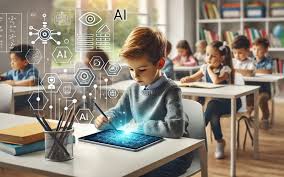


A few years ago, Artificial Intelligence (AI) felt like something from science fiction — confined to futuristic movies, research labs, and tech conferences. But today, AI is everywhere, quietly transforming the way we live, work, travel, learn, and even relax. Whether you’re shopping online, watching Netflix, asking Siri a question, or using Google Maps, AI is silently working behind the scenes.
In this blog, we’ll explore how AI is reshaping our world, the industries it’s revolutionizing, and what the future holds.
1. AI in Smart Homes

AI-powered smart home systems are making our living spaces more automated, comfortable, and energy-efficient. With just a voice command or a tap on your phone, you can:
- Turn lights on or off
- Adjust the room temperature
- Monitor security cameras in real time
Example: Google Nest Thermostat learns your daily habits, adjusts the temperature automatically, and helps save on electricity bills.
2. Virtual Assistants & Chatbots
AI assistants like Siri, Alexa, and Google Assistant have become our personal secretaries:
Scheduling meetings
Sending messages
Searching the internet
Giving recipe suggestions
Example: Need to book a restaurant table? Just tell your AI assistant, and it’s done — no calls, no waiting.
3. AI in Online Shopping

E-commerce platforms like Amazon, Daraz, and AliExpress use AI-powered recommendation systems to suggest products based on your preferences.
- Personalized recommendations
- Price drop alerts
- Restock notifications
Interesting fact: In 2024, 35% of Amazon’s total sales came from AI product recommendations.
4. AI in Health & Fitness
AI is transforming healthcare and personal wellness:
Smartwatches & fitness trackers monitor heart rate, sleep patterns, and calories burned
AI health apps detect early symptoms and suggest medical consultations
Telemedicine allows you to connect with doctors from anywhere in the world
Example: Apple Watch has alerted many users about irregular heart rhythms (Atrial Fibrillation) in time to seek treatment.
5. AI in Travel & Navigation
AI-based navigation apps like Google Maps and Waze:
- Show real-time traffic updates
- Suggest the fastest routes
- Help save fuel by optimizing paths
Example: Ride-hailing apps like Uber and Careem use AI to connect drivers with the nearest passengers, reducing wait times.
6. AI in Education

AI is enabling personalized learning experiences:
Identifying a student’s strengths and weaknesses
Auto-grading assignments
Offering 24/7 virtual tutoring
Example: Duolingo uses AI to tailor lessons to each learner’s progress, making language learning more efficient.
7. AI in Entertainment
Platforms like Netflix, YouTube, and Spotify use AI algorithms to recommend shows, videos, and music you’re most likely to enjoy, saving you time and effort in searching for new content.
8. AI in Banking & Finance
- Detecting fraudulent transactions
- Providing automated customer service
- Offering investment advice via robo-advisors
Example: Many banks now use AI-powered advisors to suggest investment opportunities based on your spending and saving habits.
9. The Future Impact of AI
Experts predict that by 2030, over 70% of business processes will involve AI in some form. While this means faster, smarter, and more efficient systems, it also raises important concerns around privacy, data security, and job displacement.
Conclusion

Artificial Intelligence is no longer a futuristic dream — it’s a present-day reality shaping every aspect of our lives. From homes to hospitals, classrooms to offices, and entertainment to travel, AI is everywhere. If used responsibly, AI can be one of humanity’s greatest tools for progress and innovation.