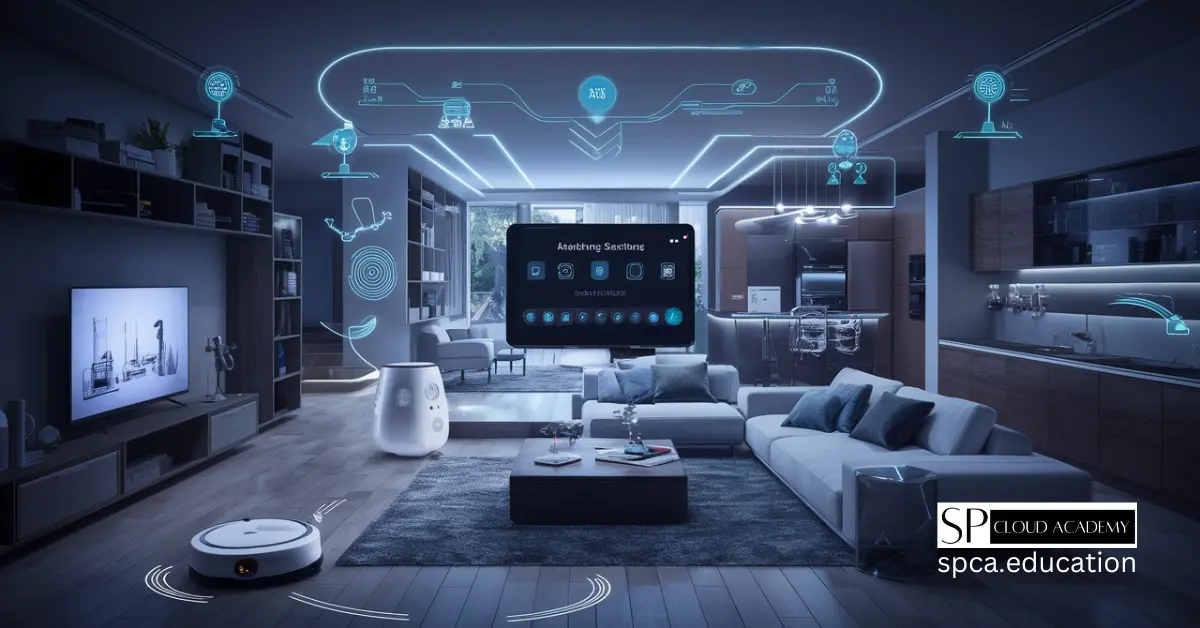
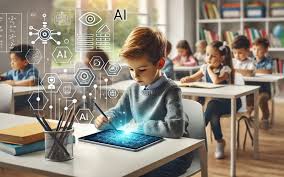

Artificial Intelligence (AI) has become one of the most debated topics in modern education. From AI-powered tutoring systems to tools that help teachers grade assignments, the technology is quickly making its way into classrooms worldwide. But with this rapid integration comes an important question: Is AI in schools a helpful learning aid or a harmful distraction?
Why Supporters Say AI is Helpful in Schools
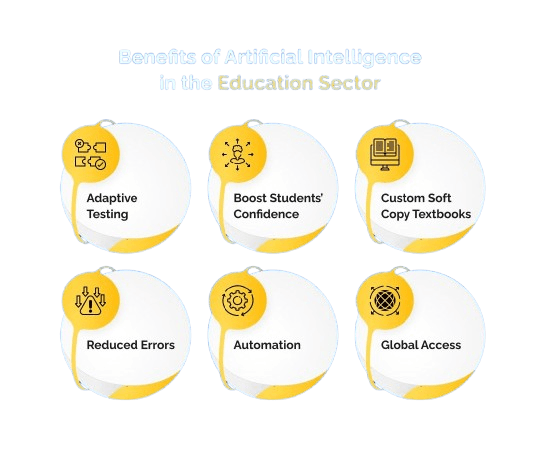
Supporters of AI in education believe that, when applied thoughtfully, it has the power to transform classrooms into dynamic, personalized, and highly efficient learning environments. They see AI not as a replacement for teachers, but as a tool to enhance learning outcomes, reduce workload, and give every student the opportunity to succeed.
Here’s a closer look at the main reasons advocates are excited about AI in schools:
1. Personalized Learning at Scale
Traditional classrooms often struggle to cater to each student’s learning style, pace, and knowledge gaps. AI-powered platforms can:
- Assess a student’s current understanding in real-time.
- Adapt lesson difficulty, examples, and pacing accordingly.
- Provide alternative explanations, visual aids, or practice exercises if a student is struggling.
For example, an AI system might notice that a student understands algebra but struggles with word problems. It can instantly adjust their practice sets to focus on building comprehension skills without holding them back in other areas.
2. Instant Feedback and Assessment
Instead of waiting days or weeks for graded assignments, AI can:
- Evaluate quizzes, multiple-choice tests, and even some written work instantly.
- Offer immediate feedback so students know exactly what they got wrong and why.
- Allow teachers to see performance patterns and intervene early when a student falls behind.
This real-time assessment helps students correct mistakes on the spot, which reinforces learning more effectively than delayed feedback.
3. 24/7 Tutoring and Academic Support
AI-powered chatbots and tutoring tools give students:
- Around-the-clock access to help with homework, projects, and test preparation.
- The ability to ask questions in a low-pressure environment without fear of embarrassment.
- Step-by-step explanations that can be revisited as often as needed.
For example, a student stuck on a physics problem at 10 PM can get help from an AI assistant without having to wait until the next class.
4. Reducing Teachers’ Administrative Burden
Teachers spend a large portion of their time on tasks like grading, lesson planning, and tracking attendance. AI can:
- Automatically grade routine assignments.
- Generate lesson outlines or adapt curriculum to meet learning objectives.
- Create reports summarizing student performance trends.
By offloading these repetitive tasks, AI gives teachers more time to focus on direct instruction, classroom discussion, and mentorship.
5. Enhancing Engagement Through Interactive Learning
AI can make lessons more engaging through:
- Interactive simulations and gamified learning experiences.
- Virtual reality (VR) or augmented reality (AR) environments that make abstract concepts easier to grasp.
- Adaptive storytelling for younger students, where AI changes the narrative based on student responses.
These experiences can turn traditionally “dry” subjects into exciting, immersive activities that capture students’ attention.
6. Bridging Learning Gaps in Under-Resourced Areas
In schools with limited staff or outdated materials, AI can:
- Provide access to up-to-date digital content aligned with curriculum standards.
- Serve as a virtual teaching assistant for large classrooms.
- Support students with disabilities through accessibility tools like text-to-speech, real-time translations, and visual aids.
This can help level the playing field, especially in rural or economically disadvantaged regions.
The Harmful Side: Risks and Concerns
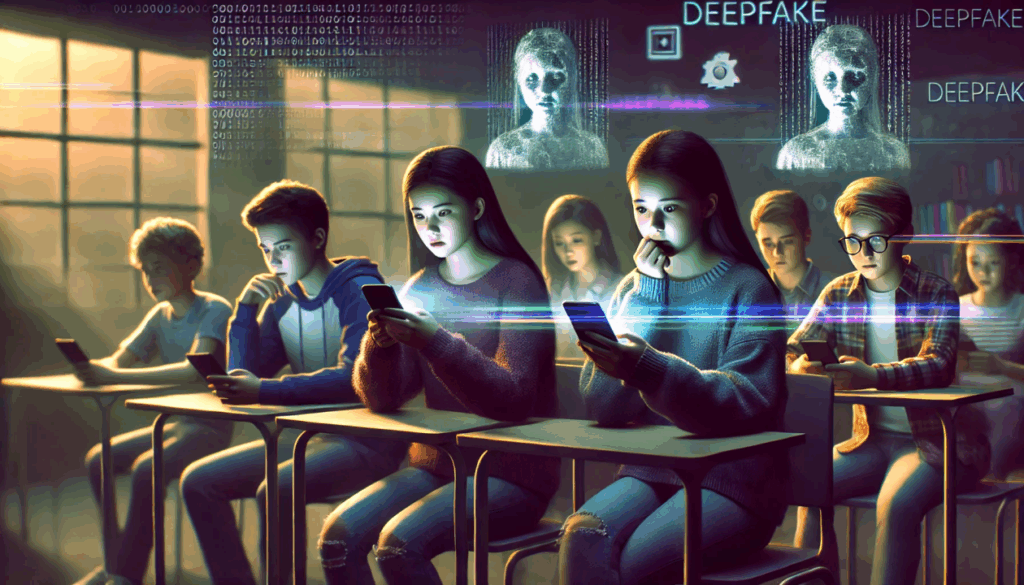
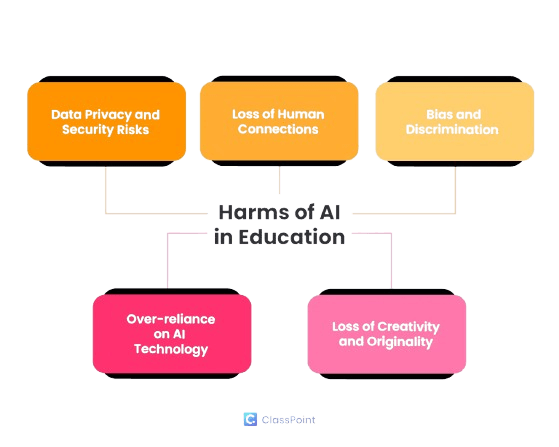
While AI has the potential to enhance education, it also comes with serious challenges that could undermine learning if not addressed properly. Critics argue that over-reliance on AI can harm both the quality of education and students’ overall development.
1. Reduced Human Interaction
Learning is not just about absorbing information — it’s about engaging with teachers and peers, asking questions, and debating ideas.
- If students depend on AI for every answer, classroom discussions may lose depth.
- Emotional intelligence and interpersonal skills, which come from face-to-face learning, could suffer.
Example: A student using AI for instant homework help may miss out on the valuable back-and-forth of problem-solving with classmates.
2. Overdependence on Technology
When students rely too heavily on AI tools, they risk losing their ability to think critically and solve problems independently.
- Constant shortcuts can weaken long-term memory retention.
- Creativity may decline if answers are always readily available.
Example: A student using AI-generated essays might get good grades but struggle to write effectively without the tool.
3. Privacy and Data Security Risks
AI-powered platforms collect and process huge amounts of personal and academic data. Without strict regulations, this information could be misused.
- Data breaches can expose sensitive student information.
- Companies might use student data for marketing or profiling.
Example: In 2023, several educational apps faced backlash for selling student data to advertisers without proper consent.
4. Algorithmic Bias and Unfair Outcomes
AI is only as fair as the data it’s trained on. If that data contains biases, AI tools can produce unfair results.
- Automated grading systems might favor certain writing styles or cultural references.
- Recommendation algorithms could mislabel a student’s abilities.
Example: An AI-based grading tool flagged essays from non-native English speakers as lower quality simply due to grammar differences, not content depth.
5. Accessibility Gaps in Underprivileged Areas
While AI can expand access to education, it can also widen the digital divide.
- Students without internet access or modern devices may fall further behind.
- Rural and low-income areas often lack the infrastructure needed for AI-based learning.
Example: In some regions, students had access to AI-powered classes only through shared devices, making consistent learning nearly impossible.
6. Teacher Deskilling Over Time
If too many teaching tasks are automated, educators might lose certain skills.
- Lesson planning creativity could decline.
- Classroom management techniques may be underdeveloped if AI handles most of the instructional work.
Example: A teacher heavily relying on AI lesson plans might struggle to adapt quickly when tech tools fail or aren’t available.
Finding the Middle Ground
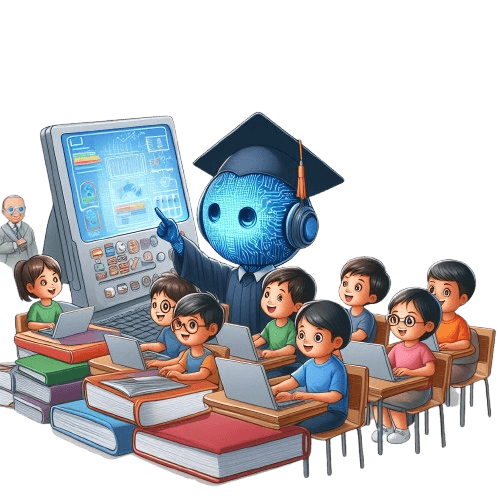
The debate over AI in schools doesn’t have to be a battle of extremes. The key lies in balanced integration — using AI as a supportive tool without letting it overshadow the human touch that education requires.
1. AI as a Partner, Not a Replacement
AI should work alongside teachers, not take over their roles.
- Teachers provide empathy, moral guidance, and real-world context that AI cannot replicate.
- AI can handle repetitive administrative tasks, freeing educators to focus on mentoring and inspiring students.
Example: A teacher uses AI to grade quizzes but still gives personal feedback during class discussions.
2. Digital Literacy and AI Education
Students need to learn how AI works so they can use it responsibly.
- Schools should include AI literacy in the curriculum, teaching both the benefits and limitations of the technology.
- Critical thinking exercises can help students question AI-generated answers instead of blindly accepting them.
Example: Students might compare AI’s answers to their own research, discussing differences in accuracy and perspective.
3. Strong Privacy and Ethics Policies
Data protection must be a top priority.
- Schools should partner only with AI providers that follow strict privacy laws.
- Parents and students should be informed about what data is collected and how it’s used.
Example: An AI learning app could offer an opt-out feature for data tracking while still providing educational value.
4. Ensuring Equal Access
AI should reduce inequality, not widen it.
- Governments and school boards can invest in providing devices, internet access, and teacher training to underserved communities.
- Offline AI tools could be developed for areas with poor connectivity.
Example: A rural school might use AI-powered learning software that works without continuous internet access, syncing progress only when online.
5. Human-Centered AI Design
AI tools for education should be built with teacher and student feedback in mind.
- Developers should involve educators in the design process.
- Tools should focus on enhancing real-world skills, not just test scores.
Example: An AI writing assistant that encourages creativity by suggesting prompts rather than writing the entire essay.
Final Words: A Future to Shape Together
Artificial Intelligence is neither the savior nor the villain of education — it’s a tool, and like any tool, its impact depends on how we use it. In the right hands, AI can empower students to learn at their own pace, support teachers in delivering richer lessons, and open doors to knowledge for communities that were once left behind. In the wrong hands, it could erode critical thinking, compromise privacy, and deepen inequalities.
The responsibility lies with educators, policymakers, parents, and students to guide AI’s role in schools. This means setting clear ethical boundaries, investing in equal access, and ensuring that technology complements — rather than replaces — the human relationships at the heart of learning.
The future of AI in education is not something that will simply happen to us. It’s something we will build together, choice by choice, policy by policy, and lesson by lesson. If we approach it thoughtfully, AI can help us create a generation that is not only smarter but also wiser, kinder, and ready to shape a better world.