



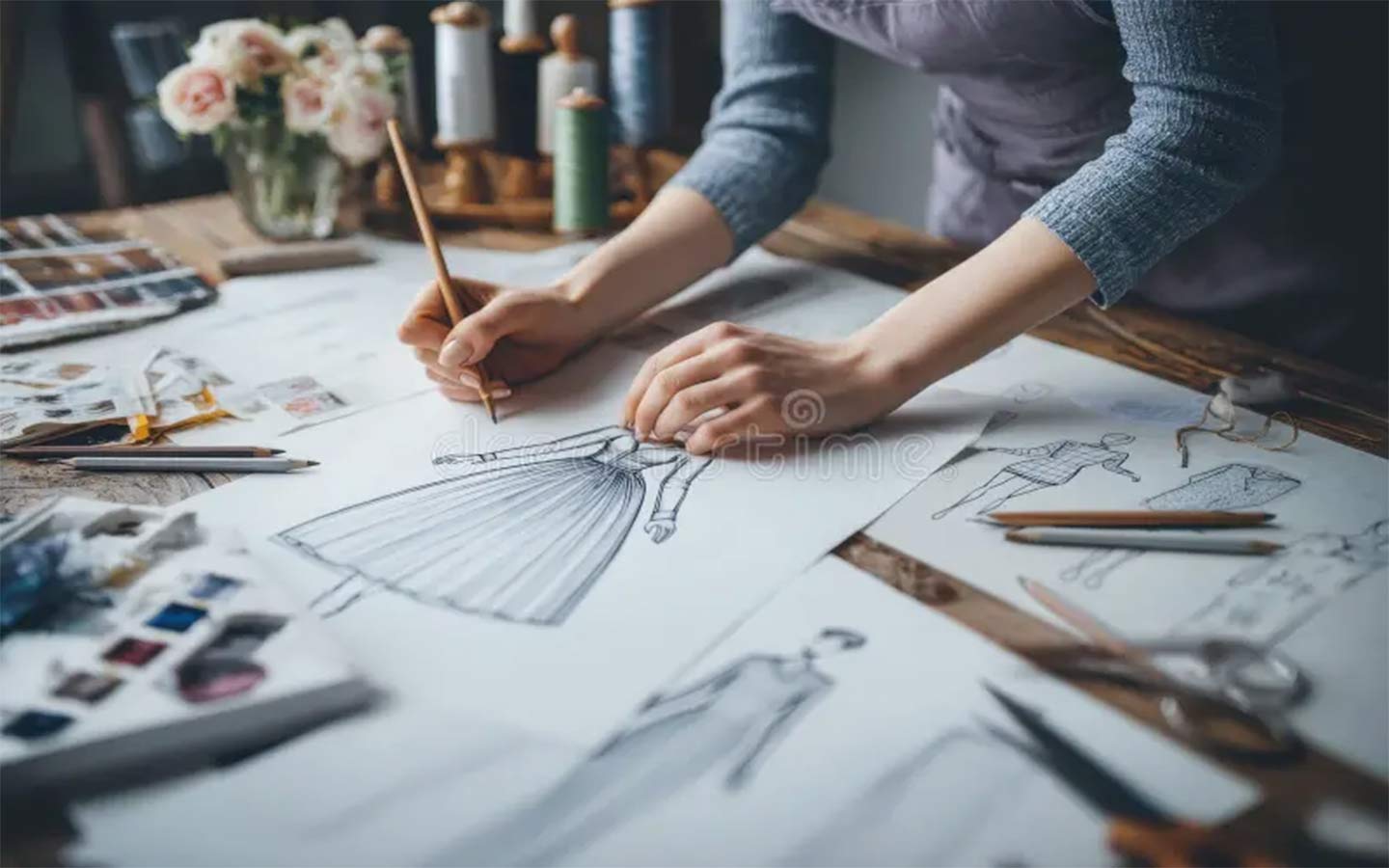
Fashion Designing: The Ultimate Guide to Creativity, Culture, and Commerce
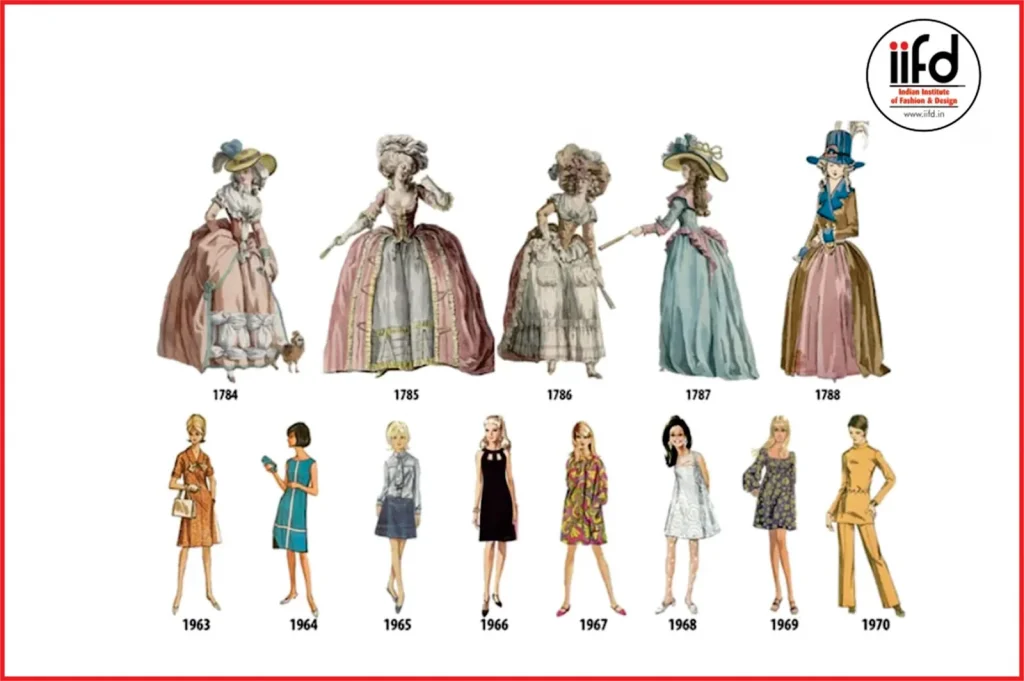
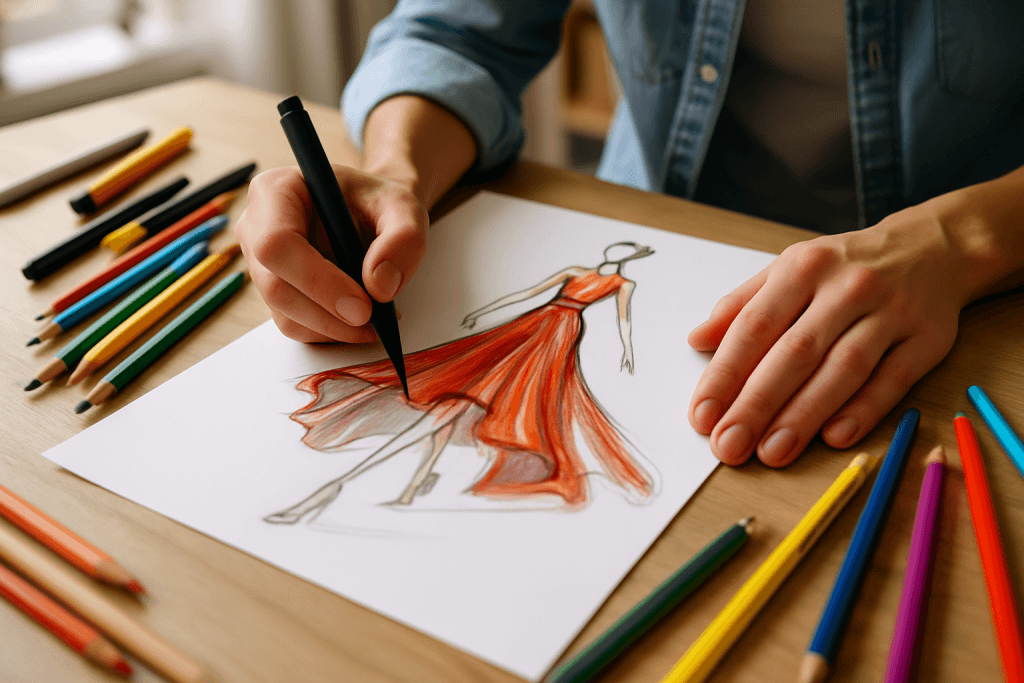
Fashion designing is a fascinating and multifaceted industry that shapes the way the world dresses, feels, and expresses itself. It’s a perfect blend of art, craftsmanship, technology, and business. This comprehensive guide will explore every aspect of fashion designing — from its origins and core principles to the latest trends and career advice.
What is Fashion Designing?
Fashion designing is the process of envisioning, creating, and producing clothing and accessories. It involves artistic creativity and technical expertise to design garments that meet aesthetic, functional, and cultural needs. Designers bring ideas to life through sketching, fabric selection, pattern making, and production oversight.
Unlike simple sewing or tailoring, fashion designing combines innovation, trend analysis, and consumer psychology to craft styles that resonate with people worldwide.
https://en.wikipedia.org/wiki/Fashion_design
A Deep Dive into the History of Fashion Designing
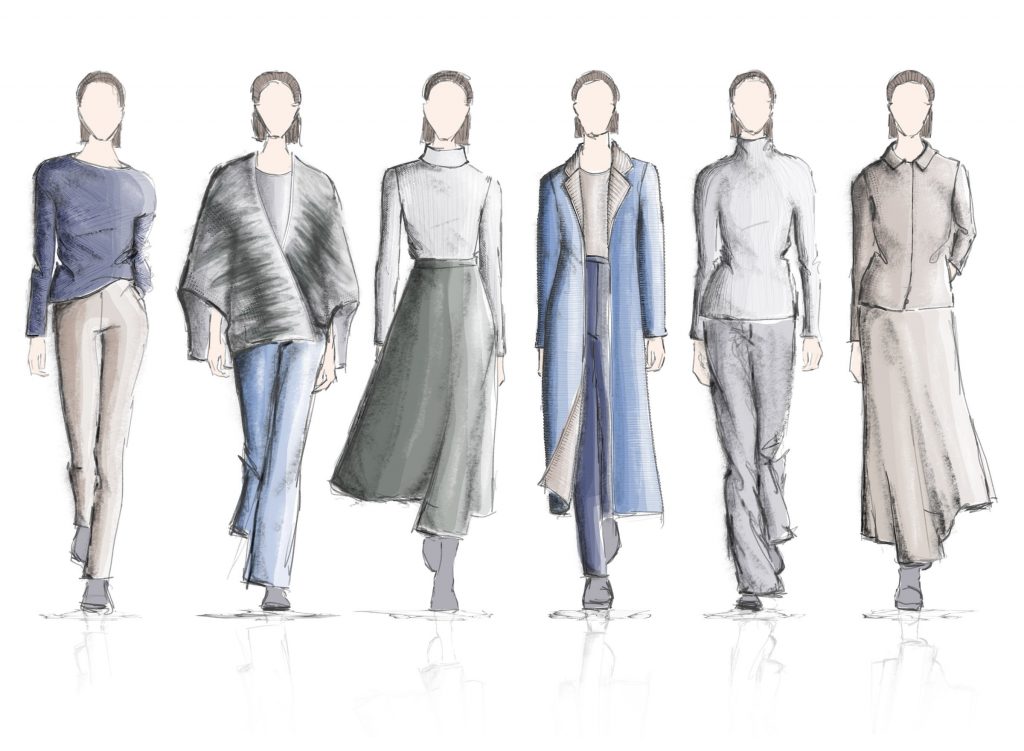
Fashion has always been a part of human society, but formal fashion designing as a profession took shape during the 19th century. Here’s a quick timeline of fashion’s evolution:
- Ancient Times: Clothing was primarily functional, made from animal hides or woven fabrics. Symbols, colors, and patterns reflected social status.
- Middle Ages: Tailors emerged as skilled artisans creating garments for nobility. Fashion began to reflect regional cultures.
- Renaissance: Emphasis on elaborate designs, luxurious fabrics like silk and velvet, and the rise of individual fashion identity.
- 18th Century: Birth of the haute couture industry in Paris with designers like Rose Bertin dressing royalty.
- 19th Century: Charles Frederick Worth established the first haute couture house in Paris, setting standards for seasonal collections.
- 20th Century: Mass production transformed fashion with ready-to-wear lines, democratizing style.
- 21st Century: Digital revolution, sustainability, and fast fashion redefine how fashion is created and consumed.
The Importance of Fashion Designing in Society
Fashion designing is crucial not only for aesthetics but for its social, economic, and cultural roles:
- Expression of Identity: Clothing reflects personality, beliefs, and cultural heritage.
- Innovation and Creativity: Designers push creative boundaries with new materials and ideas.
- Economic Driver: The global fashion industry employs millions and contributes trillions to the economy.
- Social Influence: Fashion shapes social norms, gender expression, and lifestyle choices.
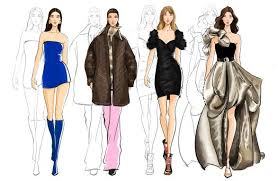
Fashion Designing is the Demand of Every Field of work.
The Fashion Designing Process: Step-by-Step
Fashion designing is a complex journey that transforms ideas into finished products. Below is a detailed breakdown:
1. Research and Trend Forecasting
Designers study global trends, historical references, street styles, art, technology, and consumer behavior to find inspiration.
2. Concept Development
They develop a concept or theme for a collection — this could be based on colors, moods, seasons, or social commentary.
3. Sketching and Illustrating
Initial designs are sketched by hand or using digital tools to visualize ideas. Designers create detailed technical drawings showing garment structure.
4. Fabric and Material Selection
Choosing the right textiles, colors, and trims to bring the design to life, balancing aesthetics and function.
5. Pattern Making
Patterns are templates used to cut fabric pieces precisely, ensuring the garment fits perfectly.
6. Sample Making
Creating prototypes to test fit, comfort, and style. Adjustments are made before production.
7. Production and Manufacturing
Garments are produced in bulk or custom-made, often involving collaboration with factories and suppliers.
8. Marketing and Distribution
Collections are launched through fashion shows, advertisements, social media, and retail channels.
Let’s Show it with something New
Key Skills Every Fashion Designer Should Master
Becoming a successful fashion designer requires a unique skill set:
- Creativity and Innovation: To develop original ideas.
- Drawing and Visualization: Ability to sketch and use digital tools like Adobe Illustrator.
- Technical Sewing and Tailoring: Understanding garment construction.
- Textile Knowledge: Knowing fabric types, properties, and sourcing.
- Trend Analysis: Keeping up with evolving styles.
- Business Acumen: Managing budgets, marketing, and brand development.
- Communication: Collaborating with teams and presenting ideas effectively.
- Problem-Solving: Overcoming design and production challenges.
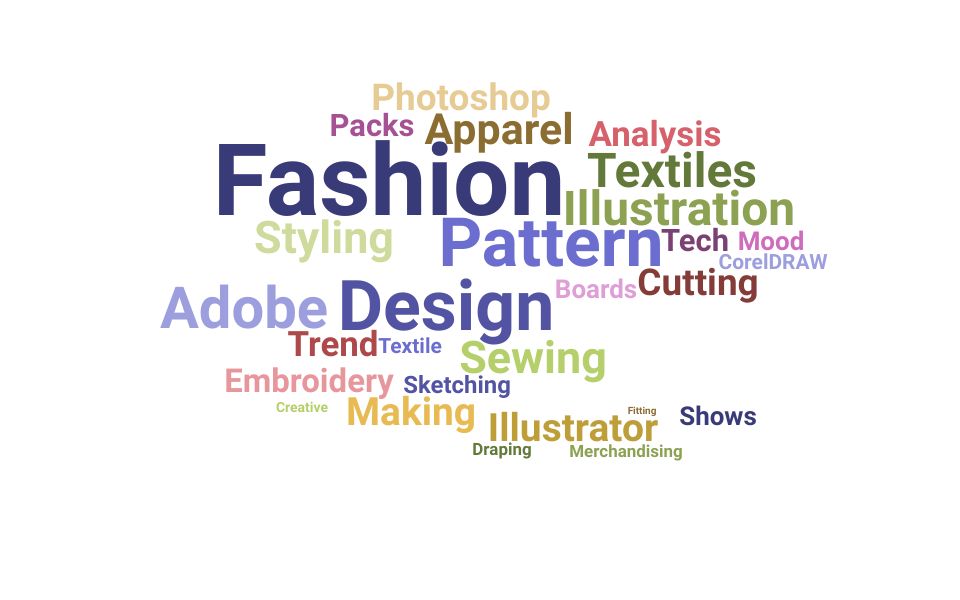
Different Fields Within Fashion Designing
Fashion designing is broad and offers numerous specialties:
- Haute Couture: Custom, high-end garments with extreme attention to detail.
- Ready-to-Wear: Mass-produced fashion for retail.
- Bridal Wear: Designing wedding dresses and formal attire.
- Sportswear: Functional and stylish activewear.
- Costume Design: For movies, theater, and TV.
- Accessory Design: Shoes, bags, jewelry, hats, and belts.
- Sustainable Fashion: Eco-friendly designs focusing on reducing environmental impact.
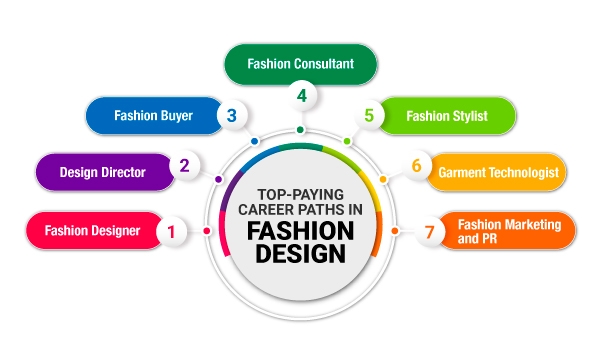
Fashion Designing Education and Career Path
Education
Many designers attend specialized fashion schools like Parsons, FIT, or Central Saint Martins, which offer courses in design, textiles, marketing, and production.
Career Progression
- Internships at fashion houses or brands.
- Assistant designer roles.
- Launching personal label or freelancing.
- Roles in fashion buying, merchandising, styling, or marketing.
The Business Side of Fashion Designing
Designers must also understand the business aspects:
- Brand Building: Creating a unique identity and loyal customer base.
- Marketing: Using social media, influencers, and traditional media.
- Sales Channels: Online stores, boutiques, department stores.
- Supply Chain: Managing production timelines, costs, and quality control.
Fashion and Technology: The Future is Here
Technology is revolutionizing fashion designing:
- 3D Printing: Allows custom, intricate garment creation.
- Virtual Fashion Shows: Digital runway experiences.
- AI and Big Data: Predicting trends and consumer preferences.
- Sustainable Materials: Innovations in biodegradable fabrics and recycling.
- Wearable Tech: Clothes integrated with technology for health, fitness, or style.
Famous Fashion Designers Who Made History
- Coco Chanel: Icon of elegance and timeless style.
- Yves Saint Laurent: Introduced ready-to-wear and empowering women’s fashion.
- Alexander McQueen: Known for bold, avant-garde designs.
- Ralph Lauren: American classic style.
- Vivienne Westwood: Punk fashion pioneer.
How to Start Your Journey in Fashion Designing
- Develop Your Skills: Learn sketching, sewing, and software.
- Build a Portfolio: Showcase your designs.
- Gain Experience: Intern or assist established designers.
- Stay Inspired: Follow fashion news, attend shows, network.
- Create Your Brand: Start small with custom pieces or online sales.
- Keep Learning: Fashion is constantly evolving — adapt and innovate.
Conclusion
Fashion designing is an inspiring, challenging, and rewarding field that combines creativity with commerce. It influences how we see ourselves and the world around us. Whether you dream of becoming a top designer or simply want to appreciate fashion on a deeper level, understanding its history, process, and future will open countless doors.